Posted by Mustafa Abbas on August 31, 2026 | Views: 332 | Ratings: 145
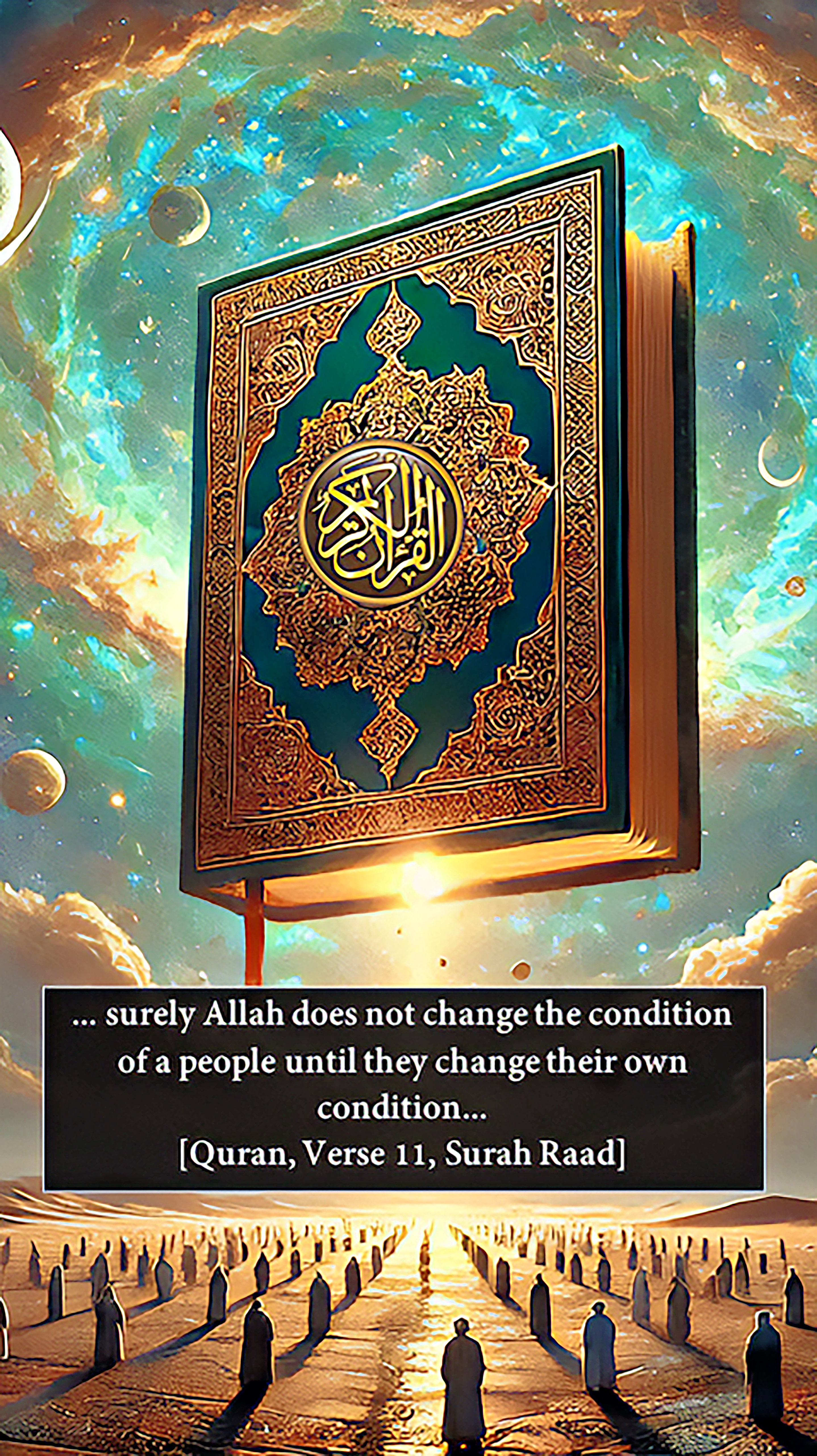
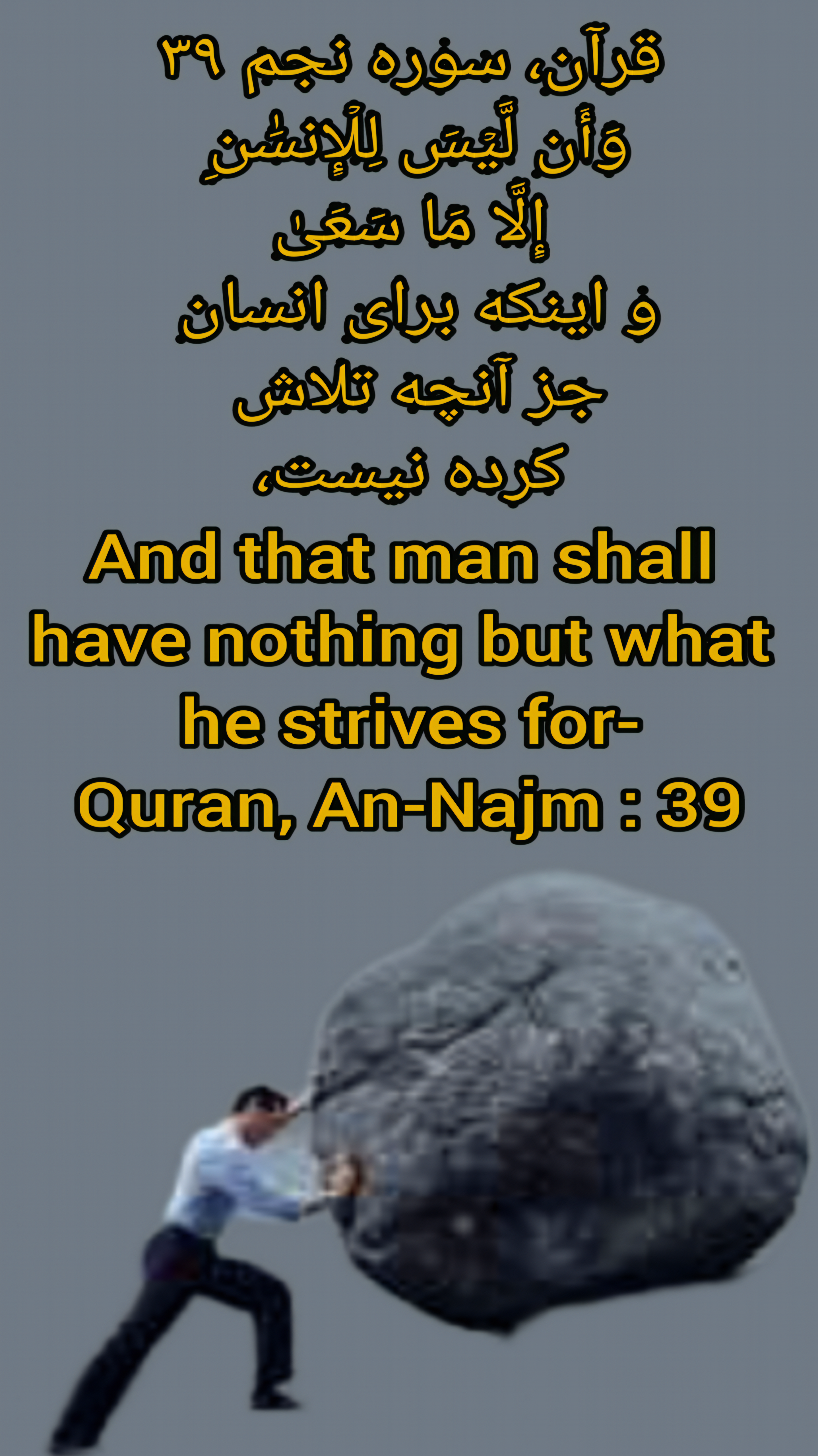
Download article from link below at the end
The Islamic Perspective on Work, Self-Sufficiency, and the Utilization of Resources: An Analysis of Imam Ali's Statement on Water and Land
The Islamic tradition places profound emphasis on productive labor, self-sufficiency, and the responsible utilization of natural resources.
Imam Ali (peace be upon him) said: "Whoever has available water and land, and still he is poor and needy, should expect to be deprived from God’s mercy!" (Bihar al-Anwar, volume 103, page 65)
This article provides a comprehensive examination of this statement and its broader implications within Islamic teachings, drawing exclusively from the provided source material.
The Primary Narration and Its Sources
The statement is recorded in multiple authentic sources within the Shi'i tradition. One of the most striking statements in this regard is attributed to Imam Ali ibn Abi Talib (peace be upon him), as narrated by Imam Muhammad al-Baqir (peace be upon him):
"He who, in spite of having water and soil at his disposal, is still poor, is dissociated by Allah."
(Qurb al-Isnad, p. 115, no. 404)
Another translation of the same narration appears as:
Amir al-Mu'minin (peace be upon him) used to say: "Whoever finds water and soil and then becomes poor, may Allah distance him."
(Wasa'il al-Shia Vol. 17, Section 1, Chapter 9, Hadith 21930)
"Water and Soil" as Symbolic of Productive Means
In this context, "water and soil" symbolize the fundamental natural resources necessary for agricultural production and, by extension, for generating a livelihood. The sources explain that these represent the basic means and opportunities available to a person to work, cultivate, and produce. The phrase signifies access to productive resources and the physical capacity to engage in labor—implying that the individual possesses the health, strength, and environmental conditions to earn an income.
The narration is cited in Mizan al-Hikmah within the section on agriculture, establishing a direct connection between the availability of cultivable land and water and the expectation of productive engagement. In the same context, another narration from Imam al-Baqir (peace be upon him), quoting his father, states:
"The best of occupations is tilling the land, the produce of which is eaten by both the good-doer and the wrongdoer. That which the good-doer eats will seek forgiveness on his [i.e. the grower’s] behalf, and that which the wrongdoer eats will curse him [i.e. the wrongdoer]. The birds and animals eat thereof too."
(al-Kafi, v. 5, p. 260, no. 5)
This demonstrates that agriculture and land cultivation are considered among the most virtuous forms of work in Islamic teachings.
"Remains Poor" as a Condition of Blameworthy Poverty
Key meaning of “water and soil”
“Water and soil” represent the basic means of livelihood and production. With water and land, a person can farm, raise livestock, trade, or otherwise work to earn sustenance. If someone has access to these resources and still remains poor, the cause is not external deprivation but internal failure.
This poverty does not result from a lack of resources or an inability to work, but rather from a failure to utilize available means.
So the blame is not for being poor in itself, but for remaining poor while possessing the ability and resources to change that condition.
Why such poverty is blameworthy
It reflects negligence and laziness
Islam commands taking the permissible means to earn a living. Allah says:
“So when the prayer is finished, disperse in the land and seek Allah’s bounty.” (Quran 62:10)
And:
“It is He who made the earth subservient to you; so walk among its slopes and eat of His provision.” (Quran 67:15)
The statement addresses a person who remains in a state of poverty or destitution despite possessing the means to earn a living. The critical aspect is the phrase "despite having water and soil," meaning that this poverty does not result from a lack of resources or an inability to work, but rather from a failure to utilize available means. The commentary explains that such poverty results from negligence, laziness, or failure to use what Allah has provided.
"Distanced from God's Mercy" as Divine Disapproval
In this context, the phrase means:
It is a severe condemnation
Saying that someone is “dissociated by Allah” or “may Allah distance him” is a forceful way of showing that Allah is displeased with that person’s behavior. It is not describing a normal state of poverty, but a blameworthy one.
It targets negligence, not poverty itself
The disapproval is directed at the person who has clear means of livelihood — represented by “water and soil” — yet remains poor because of laziness, negligence, or failure to use what Allah has provided. Such a person has not been deprived of resources; he has wasted them.
It indicates loss of divine help and blessing
Being “distanced from Allah’s mercy” here means losing the special divine assistance, success, and blessing that come to those who strive and take lawful means. It is not an ontological separation from Allah, but a withdrawal of the favor and support that a hardworking, grateful servant would normally receive.
It is not necessarily permanent or absolute
The commentators clarify that this does not mean the person is forever excluded from Allah’s compassion. Rather, it is a severe warning. If the person changes his behavior, begins to work, takes the means available, and repents for his negligence, he can return to Allah’s mercy and favor.
So, distanced from God’s Mercy functions as a strong statement of divine disapproval for self-inflicted poverty through laziness or waste of resources. It shows that remaining poor despite having clear means is not a misfortune to be pitied, but a failure that deserves rebuke — while still leaving room for repentance and change.
The strong phrase "is dissociated by Allah" or "may Allah distance him" signifies a severe condemnation. The commentators explain that this does not imply a permanent and absolute severance from divine compassion. Rather, it is a strong expression of divine disapproval for someone who wastes evident means of livelihood and then falls into poverty through negligence, laziness, or failure to use what Allah has provided.
Ayatullah Naser Makarem Shirazi's Commentary
Ayatullah Naser Makarem Shirazi clarifies that when someone possesses land and water yet remains needy, this indicates a failure to make proper use of God's blessings. Such deliberate neglect places the person outside the sphere of God's special mercy reserved for those who act responsibly and industriously.
This commentary underscores the ethical and spiritual implications of failing to utilize available resources. God bestows blessings upon humanity, including the earth's fertility and the means to cultivate it. To possess these blessings—represented by "water and soil"—and yet remain in poverty due to inaction is seen as a disregard for divine favors. This deliberate neglect signifies a lack of industry and responsibility, which, according to this interpretation, can lead to a person being distanced from Allah's particular mercy that is granted to those who strive to fulfill their divinely appointed roles and responsibilities. It highlights the Islamic emphasis on active engagement in earning a lawful living and being productive members of society as a manifestation of gratitude and faith.
The Islamic Mandate for Work and Productive Labor
Work as a Religious and Moral Duty
Islamic teachings strongly emphasize the importance of hard work and the diligent pursuit of a lawful income. Work is described as the basis of human life: through work, a person secures food, clothing, and shelter, fulfills social responsibilities, and responds to the Quranic command that "man will not get anything unless he works hard" (Quran 53:39). Islam sanctifies labor, considering it a form of worship and even a type of jihad (struggle in the way of Allah).
The hadith from prophet Mohammad (peace be upon him and his family) emphasize that work is a fundamental aspect of human dignity and responsibility: "Seeking a lawful livelihood is incumbent upon every Muslim man and woman." (Jami’a al-Akhbar, p. 389,no. 1079)
Prophet Muhammad (peace be upon him and his family) said: "Seeking halal is a faridhah upon every Muslim man and woman." (Bihar al-Anwaar by Allamah Majlisi, Volume 100, Page 9)
Prophet Mohammad (peace be upon him and his family) said: "Worship consists of ten parts of which nine are to do with earning a lawful livelihood." (Bihar al-Anwar, v. 103, p. 9, no. 37)
Prophet Muhammad (peace be upon him and his family) said: "Worship has seventy parts, and the best part of it is seeking the lawful." (Wasa'il al-Shia Vol. 17, Section 1, Chapter 4, Hadith 21886)
Imam Musa al-Kazim (peace be upon him) said: "Whoever seeks this sustenance from permissible means to support himself and his family is like the one who strives in the path of Allah."
(Wasa'il al-Shia Vol. 17, Section 1, Chapter 4, Hadith 21875)
Condemnation of Idleness and Laziness
Islam vehemently denounces idleness and laziness, viewing them as both spiritually and materially destructive. The sources provide extensive evidence of this condemnation:
The Holy Prophet (peace be upon him and his progeny) is reported to have said: "The one to be the most harshly judged on the Day of Resurrection will be the capable yet idle [people]. If work is endeavor, idleness is corruptive." (Tanbih al-Khawatir, v. 1, p. 60)
Prophet Mohammad (peace be upon him and his family) said, "Verily Allah hates the healthy-bodied idle person, who is neither concerned with his worldly life, nor the Hereafter."
(Sharh Nahjul Balaghah li B. Abi al-Hadid, v. 17, p. 146)
Prophet Mohammad (peace be upon him and his family) said: "Cursed is the one who puts the load of his life responsibilities upon the shoulders of the people" (Tuhaf al-Uqul P37)
(Wasa'il al-Shia Vol. 21, Section 7, Chapter 21, Hadith 27816)
Prophet Mohammad (peace be upon him and his family) said: "Cursed is the one who places his burden entirely upon others." (Wasa'il al-Shia Vol. 17, Section 1, Chapter 6, Hadith 21906)
It is narrated in al-Khisal that whenever the Prophet (S) looked at a man who pleased him, he used to ask, ‘Does he have a profession?’ If they said, ‘No’, he would say, ‘He has lost his worth in my eye.’ They would then ask, ‘O Messenger of Allah! Why is that?!’ He would reply, ‘Because when the believer has no profession, he subsists off his religion.’ (Jami’a al-Akhbar, p. 390, no. 1084)
Prophet Muhammad (peace be upon him and his family) said: "Truly Allah loves the servant who is faithful and engaged in a profession." (Kanz al-’Ummal, no. 9199)
Imam Ali (peace be upon him) said, "If work is endeavor, then continuous idleness is corruptive."
(Bihar al-Anwar, v. 77, p. 419, no. 40)
Imam Ali (peace be upon him) said, "From idleness comes desire." (Ghurar al-Hikam, no. 9251)
Amir al-Mu’minin, Imam Ali (peace be upon him) said, "When things (works) double, laziness and failure join hands, and they both give birth to poverty.”
(Al-Kafi (Vol. 5) by Shaykh Muhammad b. Ya qub al-Kulayni, Book 2, Chapter 10, Hadith #8)
Amir al-Mu'mineen, Imam Ali (peace be upon him) said: "When things paired up, laziness and incapability paired up and produced poverty between them."
(Wasa'il al-Shia Vol. 17, Section 1, Chapter 18, Hadith 21979)
Imam Muhammad Baqir (peace be upon him) said: "I certainly dislike a man, or dislike for a man, to be lazy regarding his worldly affairs. And whoever is lazy regarding his worldly affairs will be even lazier regarding his affairs of the hereafter."
(Wasa'il al-Shia Vol. 17, Section 1, Chapter 18, Hadith 21973)
Imam al-Baqir (peace be upon him) stated: "Laziness harms religion and Dunya."
(Tuhaf al-Uqul by Ibn Shu'ba al-Harrani, Volume 0, Page 300)
The damage to religion as preventing one from mentioning the Lord's name and fulfilling obligations and duties, and the damage to the worldly life as causing one to incline to inactivity and wish for a miserable life full of needs and poverty.
Imam Jafar al-Sadiq (peace be upon him) said: "Do not be lazy in seeking your livelihood, for our fathers used to strive and seek it." (Wasa'il al-Shia Vol. 17, Section 1, Chapter 18, Hadith 21980)
Imam Jafar al-Sadiq (peace be upon him) said: "Whoever is lazy regarding his purification and prayer, there is no good in him for matters of his hereafter. And whoever is lazy regarding what would improve his livelihood, there is no good in him for matters of his worldly life."
(Wasa'il al-Shia Vol. 17, Section 1, Chapter 18, Hadith 21974)
Imam Jafar al-Sadiq (peace be upon him) said: "Whoever is lazy regarding his purification and prayer, there is no good in him for matters of his hereafter. And whoever is lazy regarding what would improve his livelihood, there is no good in him for matters of his worldly life."
(Wasa'il al-Shia Vol. 17, Section 1, Chapter 18, Hadith 21974)
Imam Jafar al-Sadiq (peace be upon him) said: "Beware of laziness and restlessness, for they are the keys to every evil. Indeed, whoever is lazy will not fulfill a right, and whoever is restless will not endure upon the truth."
(Man La Yahduruh al-Faqih (Vol. 3) by Shaykh Muhammad b. Ali al-Saduq, Book 2, Chapter 1, Hadith #69)
Imam Jafar al-Sadiq (peace be upon him) said: "Beware of irritability and laziness, for they are the keys to all evil. Indeed, whoever is lazy will not fulfill rights, and whoever is irritable will not have patience upon truth."
(Wasa'il al-Shia Vol. 17, Section 1, Chapter 19, Hadith 21983)
Imam Musa al-Kadhim (peace be upon him) warned: "Beware of laziness and boredom, for if you are lazy, you will not work, and if you feel bored, you will not give what is rightfully due."
(al-Kafi by Shaykh al-Kulayni, Volume 5, Page 85)
Imam Musa al-Kadhim (peace be upon him) said: "beware of laziness and boredom, for they will deprive you of your share in this world and the Hereafter."
(Man La Yahduruh al-Faqih (Vol. 4) by Shaykh Muhammad b. Ali al-Saduq, Book 1, Chapter 175, Hadith #5885)
The Spiritual and Material Consequences of Idleness
The sources detail the adverse outcomes of idleness and laziness:
Poverty and Need: Imam Ali (peace be upon him) explicitly stated "The day in which everything married with one another, “indolence” and “weakness” mingled with each other, and their child was called “poverty and indigence” (Bihar al-Anwar, volume 78, page 59 and Tuhaful Uqul, p. 158)
Idleness is identified as a cause of poverty and a failure to fulfill the requirements of life.
Moral and Spiritual Degradation: Idleness can lead to moral corruption, mental and psychological disorders, and disruptions in economic and cultural activities. It gives rise to moral decadence and superstitions and leads to social corruptions.
Impact on Supplication: A critical consequence of idleness pertains to the efficacy of one's prayers. The supplication (du'a) of an idle person who neglects effort while expecting divine provision is explicitly stated to be rejected. Imam Jafar al-Sadiq (peace be upon him) identifies among those whose prayers are not accepted: "Have you not heard the words of Allah the Mighty and Majestic [And when the prayer has been concluded, disperse within the land and seek from the bounty of Allah] [Quran 62:10]? Consider if a man enters his house, seals his door with clay, and says 'my provision will descend upon me' - would this work? Indeed, he would be one of the three whose supplications are not answered" (Wasa'il al-Shia Vol. 17, Section 1, Chapter 5, Hadith 21896)
Idleness is described as loathsome to God
Prophet Mohammad (peace be upon him and his family) said: "Allah abhors the healthy-bodied idle person, who is neither occupied with Dunya's work nor the Hereafter's."
(Mizan al-Hikmah by Muhammad al-Rayshahri, Volume 3, Page 2412)
Allah shuns the supplication of the idle individual who refuses to work yet expects sustenance.
Prophet Mohammad (peace be upon him and his family) said: "a man who has some wealth but sits in his house without going out or seeking or pursuing provision until he consumes it all, then supplicates - his supplication is not answered"
(Wasa'il al-Shia Vol. 17, Section 1, Chapter 5, Hadith 21896)
Loss in This World and the Hereafter: Laziness prevents individuals from achieving their share of both the world and the hereafter.
Imam Jafar al-Sadiq (peace be upon him) said: "Beware of laziness and tedium, for they prevent you from your fortune in Dunya and the Hereafter." (al-Kafi by Shaykh al-Kulayni, Volume 5, Page 85)
Imam Musa al-Kadhim (peace be upon him) said: "My father said to some of his children: Beware of laziness and restlessness, for they will prevent you from your share of this world and the hereafter." (Wasa'il al-Shia Vol. 17, Section 1, Chapter 18, Hadith 21977)
Furthermore:
Imam Musa Kazim (peace be upon him) said: "The one whose two days are equal is a looser. And the one whose last one of the two days is the evil one of those (two days) is a cursed person. And the person who does not observe any progress & development in himself is a looser & the one who is looser; death is better for him than life" (Bihar ul-Anwar Vol. 78, P .327)
This highlights that merely maintaining the status quo is a form of spiritual detriment. The believer must continually strive for growth and development, as stagnation leads to:
Regression: Stagnation in faith naturally leads to spiritual decline.
Complacency: Lack of progress makes one susceptible to complacency and doubt.
Distance from Allah: Increased knowledge without corresponding spiritual growth can lead to greater distance from the Divine.
The Distinction Between Blameworthy and Excusable Poverty
Blameworthy Poverty
The hadith of Imam Ali (peace be upon him) specifically addresses poverty that arises from a failure to utilize available resources and opportunities. This form of poverty is considered blameworthy in Islamic teachings. Prophet Mohammad (peace be upon him and his family) said: "Cursed, cursed is he who throws his burden upon people, cursed, cursed is he who neglects those he is responsible for supporting."
Do not fail to acquire your livelihood, lest you should be a burden on people.
The Deprived (al-Mahrum)
The sources provide a nuanced understanding of "the deprived" (??-mahr?m) that goes beyond mere idleness. Imam al-Sadiq (peace be upon him) interpreted the saying of Allah Almighty: "For the petitioner and the deprived," he said: The deprived is the one who is prevented from earning his livelihood through buying and selling. (Wasa'il al-Shia Vol. 9, Section 1, Chapter 7, Hadith 11492)
Imam Jafar al-Sadiq (peace be upon him) said: "The deprived is the man whose mind is sound but provision has not been expanded for him and he is prevented from earning."
(Wasa'il al-Shia Vol. 9, Section 1, Chapter 7, Hadith 11493)
The deprived is the disabled one who is deprived of the use of their hands for working in trade.
In another narration:
It is a narration from him (narrator of previous Hadith) by ibn Faddal from Safwan al-Jammal who has said the following: “In the following words of Allah there is the expression ‘deprived’: ‘They are those who assign a certain share of their property (70:24) for the needy and the deprived.’ (70:25) Abu ‘Abd Allah, Alayhi al-Salam, has said, ‘“Deprived” is a professional who no longer is able to benefit from the labor of his hands in business transactions.’” “In another Hadith it is narrated from abu Ja‘far and abu ‘Abd Allah, Alayhim al-Salam, who have said, ‘Deprived is a person who has no problem in his understanding but is very tight in means of living.’”
(Al-Kafi (Vol. 3) by Shaykh Muhammad b. Ya qub al-Kulayni, Book 5, Chapter 1, Hadith #12)
Deprived is a professional who no longer is able to benefit from the labor of his hands in business transactions.
This acknowledges that not all poverty results from a lack of effort. Some individuals may genuinely struggle despite having a sound mind due to difficult circumstances or an inability to find suitable work.
Islamic teachings establish clear rights for those who are genuinely needy and unable to support themselves. The Holy Quran states:
"And in their wealth there is a right for the beggar and the deprived." (Quran 51: 19)
This signifies that providing for the needy is not merely an act of charity but a recognized right that
the poor and deprived have in the wealth of believers. This right is understood as a social obligation
rather than a reproach directed at the poor.
The poor have a special place in the eyes of God, and great rewards have been prepared for them.
Prophet Mohammad (peace be upon him and his family) said: "Be kind to the poor; for theirs is a (high) status in the last Day, for sure" (Nahj Al-Fasahah)
The wealthy bear a heavy responsibility towards the poor and impoverished members of society and must always be diligent in providing for and meeting their needs.
Amir al-Mu'mineen, Imam Ali (peace be upon him) said: "Allah has ordained in the wealth of the rich the sustenance of the poor, so no poor person goes hungry except because of what a rich person withheld, and Allah the Exalted will question them about that."
(Wasa'il al-Shia Vol. 9, Section 1, Chapter 3, Hadith 11444)
Imam Ali (peace be upon him) said, "Verily Allah allotted to the rich their wealth in proportion to what would also suffice the poor from among them, so if they go hungry or are naked or exhausted, it is only because of the rich people’s deprivation of them. And Allah has a right to take them to account for it on the Day of Resurrection and to punish them for it." (Kanz al-’Ummal, no. 16840)
Imam Jafar al-Sadiq (peace be upon him) said: "Allah, the Mighty and Majestic, has obligated for the poor in the wealth of the rich what suffices them. If He knew that was not enough for them, He would have increased it. They are not given less because of Allah's obligation, but they are given less because of those who withhold their rights, not because of what Allah has obligated for them. If people paid their dues, they would be living well."
(Wasa'il al-Shia Vol. 9, Section 1, Chapter 1, Hadith 11388)
From Muhammad bin Sinan from Al-Ridha peace be upon him that he wrote to him among what he wrote in response to his questions: The reason for Zakat is for the sustenance of the poor and the protection of the wealth of the rich, because Allah the Mighty and Majestic has tasked the healthy people with taking care of the affairs of the chronically ill and afflicted, as Allah the Blessed and Exalted said: "You shall certainly be tested in your wealth and yourselves" [Quran 3:186] In your wealth is the payment of zakat, and within yourselves is the conditioning of the soul upon patience, along with what is in that of fulfilling gratitude for Allah's blessings mighty and majestic and hoping for increase, along with what it contains of ziyarah and compassion and mercy for the weak ones and kindness to the poor and encouraging them towards consolation, and strengthening the poor and helping them in matters of religion. It is an admonition and lesson for the wealthy so they may recognize through them the poverty of the hereafter, and what they have of encouragement in that to be grateful to Allah the Blessed and Most High for what He has bestowed upon them and given them, and to supplicate and implore and fear becoming like them in many matters regarding paying zakat, giving charity, maintaining family ties, and doing good deeds.
(Wasa'il al-Shia Vol. 9, Section 1, Chapter 1, Hadith 11393)
The Islamic state is also responsible for providing for the needs of the poor, disabled people, and those who are unable to find a source of living or who cannot find anyone to support them.
The Concept of Rizq (Sustenance) and Human Effort
Divine Provision and Human Responsibility
The sources explain that while sustenance (rizq) is ultimately decreed and provided by Allah, human beings are obligated to exert effort to acquire it. Imam Jafar al-Sadiq (peace be upon him) said: "Sustenance is divided into two types: one that reaches its recipient even if he does not seek it, and another that is contingent upon seeking it. That which is apportioned for the servant in all circumstances will come to him even if he does not strive for it, and that which is apportioned through striving should be sought through its proper channels, which is what Allah has made lawful for him and nothing else. If he seeks it through unlawful means and obtains it, it will be counted against him from his sustenance and he will be held accountable for it."
(Wasa'il al-Shia Vol. 17, Section 1, Chapter 12, Hadith 21946)
Securing sustenance does not mean that it should be made ready for a person and sent to his house. Rather, it means that the groundwork has been prepared and man's effort is a condition for transforming them into actuality.
This is illustrated by the example of Maryam (peace be upon her), who was instructed:
"Shake towards you the trunk of the palm tree, it will drop on you fresh ripe dates" (Quran 19:25).
Allah provided the means of sustenance, but Maryam was required to make the physical effort to obtain it.
Tawakkul (Trust in Allah) and Effort
The Islamic concept of tawakkul (trust in Allah) is presented as complementary to human effort, not a substitute for it.
Imam Ali ibn Abi Talib (peace be upon him) said: "Whoever receives sustenance from Allah (swt), the Almighty and Glorious, without having walked towards it with his feet, nor extended his hand for it, nor spoken about it with his tongue, nor prepared himself for it by tightening his garments, nor exposed himself to acquire it-he is among those whom Allah (swt), the Almighty and Glorious, mentioned in His Book:
'And whoever fears Allah (swt), He will make a way out for him, and will provide for him from where he does not expect.' (Surah At-Talaq 65:2-3)
'And whoever fears Allah (swt), He will make a way out for him, and will provide for him from where he does not expect.' (Surah At-Talaq 65:2-3))
(Man La Yahduruh al-Faqih (Vol. 3) by Shaykh Muhammad b. Ali al-Saduq, Book 2, Chapter 1, Hadith #47)
Working under someone or doing business
Hadith of Imam Jafar al-Sadiq (peace be upon him)
Muhammad bin Amr bin Abi Al-Miqdam narrated from Ammar Al-Sabati, who said: I asked Abu Abdullah (as), about a man who trades but, if he hires himself out, earns more than he does in his trade.
Imam (as) said: 'He should not hire himself out but rather seek sustenance from Allah (swt), the Exalted, and continue trading. For if he hires himself out, he will restrict his sustenance.'
(Man La Yahduruh al-Faqih (Vol. 3) by Shaykh Muhammad b. Ali al-Saduq, Book 2, Chapter 1, Hadith #91)
Imam Hasan al-Askari (as) said: "A guaranteed rizq should not occupy you from an obligatory deed."
(Tuhaf al-Uqul by Ibn Shu'ba al-Harrani, Volume 0, Page 489)
The Virtue of Agriculture and Land Development
Agriculture as a Preferred Occupation
Islamic sources describe agriculture as one of the best and purest occupations, stressing its profound spiritual and social value. Imam al-Baqir (peace be upon him) narrated from his father: "The best of occupations is tilling the land, the produce of which is eaten by both the good-doer and the wrongdoer. That which the good-doer eats will seek forgiveness on his [i.e. the grower’s] behalf, and that which the wrongdoer eats will curse him [i.e. the wrongdoer]. The birds and animals eat thereof too." (al-Kafi, v. 5, p. 260, no. 5)
Imam al-Sadiq (peace be upon him) is reported to have said about the farmers: "They are the planters of Allah's treasures in His earth. And there is no work more beloved to Allah than farming. Allah did not send any prophet except that he was a farmer, except for Idris (peace be upon him) as he was a tailor." (Wasa'il al-Shia Vol. 17, Section 1, Chapter 10, Hadith 21933)
Imam Jafar al-Sadiq (peace be upon him) said: "Cultivate and plant! By Allah (swt), people have not engaged in any work more lawful and pure than this"
(Man La Yahduruh al-Faqih (Vol. 3) by Shaykh Muhammad b. Ali al-Saduq, Book 2, Chapter 14, Hadith #18)
Imam Jafar al-Sadiq (peace be upon him) said: "Sow and plant, for by Allah people have not done any work that is more halal or better than that." (al-Kafi by Shaykh al-Kulayni, Volume 5, Page 260)
Cultivation as Continuous Charity (Sadaqah)
Planting trees and cultivating land are considered acts of continuous charity (sadaqah jariyah).
Prophet Muhammad (peace be upon him and his progeny) stated:"Every single Muslim that plants or cultivates anything of which humans, animals or birds may eat from is counted as charity towards them on his behalf." (Mustadrak al-Wasa’il, v. 13, p. 460, no. 15892)
Environmental Stewardship and Prohibition of Harm
Islamic teachings not only encourage planting but also expressly forbid the unnecessary destruction of trees and green spaces. Imam al-Sadiq (peace be upon him) stated:
"Do not cut down fruit trees for Allah will pour down punishment unto you." (al-Kafi, v. 5, p. 264, no. 9)
The Quran condemns the destruction of land and agriculture as a characteristic of hypocrites:
"And when he goes away, he strives throughout the land to cause corruption therein and destroy crops and animals. And Allah does not like corruption." (Quran, 2:205)
The Concept of Fas?d (Corruption) and Environmental Degradation
The concept of fasad (corruption) is directly related to environmental degradation.
The Quran states:
"Corruption has appeared in the land and the sea because of what the hands of people have earned." (Quran 30:41)
This is interpreted to mean that the corruption and destruction of the natural world directly stem from humanity's actions and their deviation from divine guidance. When people follow false gods or prioritize their desires, fas?d intensifies, ultimately leading to environmental destruction.
The destruction of crops and animals is explicitly identified as a form of fasad. The Quran condemns those who "strive throughout the land to spread mischief in it and destroy crops and cattle" (Quran, 2:205). The destruction of natural resources is deemed a betrayal of the divine trust and the rights of the people and is contrary to Islamic rules.
Islamic Principles of Land Ownership and Resource Management
Divine Ownership and Human Trusteeship
The foundational principle in Islam is that wealth should ultimately belongs to the rightful people and the doers of the good.
Imam Jafar al-Sadiq (peace be upon him) said: "Indeed among the factors that preserve Muslims and Islam is that wealth should be in the possession of those who recognize what is right regarding it and do good deeds with it. And among the factors that lead to the extinction of Islam and Muslims is that wealth should be in the hands of those who do not recognize what is right regarding it and do not do good deeds with it. (Wasa'il al-Shia Vol. 1, Section 3, Chapter 1, Hadith 21557)
The most important tenet shaping the Islamic perspective on economic behavior is that real ownership belongs to Allah, the Exalted.
Muhammad ibn ‘Abdallah from his narrator (one of the Imams (a.s.)) reported to me the following. “The world and all that is therein belong to Allah, the Most Holy, the Most High, His Messenger and to us. If one would control a part of it he must maintain piety before Allah. He must pay the share of Allah, the Most Holy, the Most High, be generous to his brethren, otherwise, Allah, the Messenger of Allah and we will bear no responsibility torwards him.”
(Al-Kafi (Vol. 1) by Shaykh Muhammad b. Ya qub al-Kulayni, Book 4, Chapter 105, Hadith #2)
Humans are designated as Khalifah (stewards or caretakers) of the Earth, entrusted with the responsibility to build the world, using its natural resources and good environmental conditions. This trusteeship (amanah) entails using resources for "building a healthy and sustainable world" and in gratitude for divine favors.
Natural resources such as forests, mountains, seas, and deserts are considered "Anfal" (public property) and are ruled by the Islamic State. The State uses these resources based on expediency to provide financial resources to govern society, considering their benefits as "Haqq Al-Nas" (the rights of the people), which can be transferred to the people through rent or sale.
The sources explain that natural waters (seas, rivers, springs) and lands are primarily subject to public or communal ownership, where people are partners in these resources. Private rights to benefit are acquired through work and by reviving dead land.
Moderation and Prohibition of Waste (Israf and Tabdhir)
Islamic teachings emphasize moderation in resource management, avoiding both extravagance (Israf) and wastefulness (Tabdhir). The Quran warns:
"And be not excessive. Indeed, God does not like those who commit excess." (Quran, 6:141)
Prophet Muhammad (peace be upon him and his progeny) emphasized conserving resources, even in ritual ablution: "Ablution (wudu) is a mud (a specific measure), and ghusl (ritual washing) is a saa' (a larger measure). There will come people after me who will underestimate these amounts, and those will be contrary to my Sunnah.
The one who adheres to my Sunnah will be with me in the enclosure of holiness (Paradise)."
(Man La Yahduruh al-Faqih (Vol. 1) by Shaykh Muhammad b. Ali al-Saduq, Book 1, Chapter 8, Hadith #70)
Imam Jafar al-Sadiq (peace be upon him) said: "Wastefulness is in three things: wearing your good clothes casually, throwing date pits right and left, and spilling excess water. And he said: There is no extravagance (or wastefulness) in food." (Wasa'il al-Shia Vol. 5, Section 1, Chapter 28, Hadith 5880)
Imam Jafar al-Sadiq (peace be upon him) said: "Whoever exceeds the prescribed limits in his ablution (wudu) is like one who nullifies it”.
(Man La Yahduruh al-Faqih (Vol. 1) by Shaykh Muhammad b. Ali al-Saduq, Book 1, Chapter 9, Hadith #79)
The Spiritual Benefits of Lawful Livelihood
There are extensive spiritual benefits for those who strive for a lawful livelihood:
A Form of Worship: Earning a lawful living is considered a fundamental and elevated act of worship, with the Prophet Muhammad (peace be upon him and his progeny) stating that nine out of ten parts of worship are concerned with earning a lawful livelihood.
Divine Rewards: Those who strive for a lawful livelihood are promised forgiveness, divine benevolence, and protection from punishment. Prophet Mohammad (peace be upon him and his family) said, "Verily Allah, most High, loves to see his servant weary from striving to earn his livelihood [lawfully]."
(Kanz al-’Ummal, no. 9200)
The Prophet (peace be upon him and his progeny) said that one who eats from their own lawful earnings will enjoy God's benevolence and will never be punished.
Prophet Mohammad (peace be upon him and his family) said, "He whose daily bread is earned through his own toil and labour, Allah will look upon him with mercy and will never expose him to chastisement." (Jami’a al-Akhbar, no. 1087)
Lightening of the Heart: Allah will lighten the heart of someone who eats lawfully for forty days.
Prophet Mohammad (peace be upon him and his family) said: "There is no servant who practices sincerely forty days for Allah, but the springs of wisdom get apparent (now) from his heart over his tongue"
(Jamia Smdat, Vol. 2, P 404)
Easy Passage to Paradise: A person who earns their daily bread through their own toil and labor will pass across the Sirat (the Bridge over Hell) as fast as a flash of lightning.
Prophet Mohammad (peace be upon him and his family) said, "He whose daily bread is earned through his own toil and labour will pass across the Sirat [Sirat: the Bridge extended over Hell, described as being as thin as a hair and as sharp as a sword, leading to Paradise (ed.)] as fast as a flash of lightning." (Jami’a al-Akhbar, p. 390, no. 1085)
Equivalent to Jihad: Striving to provide for one's family through lawful means is likened to fighting in the path of Allah (jihad).
Prophet Mohammad (peace be upon him and his family) said, "He who works hard to provide his family with a lawful livelihood is as one who fights in the way of Allah (jihad)."
(Bihar al-Anwar, p. 13, no. 59)
Answered Supplications: Having a lawful earning is crucial for one's supplications to be answered. Prophet Mohammad (peace be upon him and his family) said, "Make your earnings lawful and your supplication will be answered, for verily when a man raises an unlawful morsel of food to his mouth, his supplication is not answered for forty days." (Makarim al-Akhlaq, v. 2, p. 20, no. 2045)
Imam Jafar al-Sadiq (peace be upon him) said: "Whoever likes that his supplication gets answered should purify his earnings." (al-Kafi by Shaykh al-Kulayni, Volume 2, Page 486)
Imam Jafar al-Sadiq (peace be upon him) said: "Whoever wishes for his supplication to be answered should make his earnings pure." (Wasa'il al-Shia Vol. 7, Section 2, Chapter 32, Hadith 8793)
The Social Responsibility of the Wealthy and the State
The wealthy have a heavy responsibility to provide for and meet the needs of the poor and impoverished.
Amir al-muminin, Imam Ali (peace be upon him), said: "Allah has ordained in the wealth of the rich the sustenance of the poor, so no poor person goes hungry except because of what a rich person withheld, and Allah the Exalted will question them about that."
(Wasa'il al-Shia Vol. 9, Section 1, Chapter 3, Hadith 11444)
Amir al-muminin, Imam Ali (peace be upon him), said: "Allah, the Glorified, has fixed the livelihood of the destitute in the wealth of the rich. Consequently, whenever a destitute remains hungry it is because some rich person has denied (him his share). All?h, the Sublime, will question them about it."
(Nahj al-Balagha by al-Shar?f al-Ra??, Book 3, Chapter 328, Hadith #405)
Imam Ja'far al-Sadiq (peace be upon him) stated: "Indeed Allah, the Mighty and Majestic, has ordained upon the wealth of the rich a mandatory right for the poor, for which they are not praised except by fulfilling it, and it is... the zakat."
(Wasa'il al-Shia Vol. 9, Section 1, Chapter 1, Hadith 11396)
State Responsibility
The Islamic state is responsible for providing for the needs of the poor, disabled, and those unable to find a source of living. The sources explain: The Islamic state is responsible for providing for the needs of the poor, disabled people, and those who are unable to find a source of living or who cannot find anyone to support them.
From Zurarah and Muhammad ibn Muslim, they both said to Abu Abdullah (peace be upon him): What do you say about Allah's words, Blessed and Exalted: "Zakat expenditures are only for the poor and for the needy and for those employed to collect it and for bringing hearts together and for freeing captives and for those in debt and for the cause of Allah and for the stranded traveler - an obligation from Allah" [Quran 9:60], are all these given even if they are not known? He said: The Imam gives to all of these because they acknowledge obedience to him. Zurarah said: I asked: What if they are not known? He said: O Zurarah, if it were given only to those who are known and not to those who are unknown, there would be no place for it. It is given to those who are unknown so they may desire the religion and become firm in it. As for today, you and your companions should only give it to those who are known. Whoever you find among these Muslims who is knowledgeable, give to him instead of others. Then he said: The share for those whose hearts are to be reconciled and the share for freeing slaves is general, and the rest is specific. I asked: What if they are not found? He said: It cannot be that Allah, the Mighty and Majestic, has prescribed an obligation and there are no eligible recipients for it. I asked: What if the charity is not enough for them? He said: Allah has prescribed for the poor in the wealth of the rich what is sufficient for them. If He knew that it would not be enough for them, He would have increased it. They have not been deprived because of Allah's prescription, but they have been deprived by those who withheld their rights, not by what Allah prescribed for them. If people paid their dues, they would be living well.
(Wasa'il al-Shia Vol. 9, Section 6, Chapter 1, Hadith 11856)
The rulers are enjoined to spare no effort in saving Muslims from poverty and wretchedness, with duties including improving the general economy, increasing individual income, and spreading ease and welfare among people to prevent corruption and deviation.
The Role of Zakat and Khums
Islam provides specific mechanisms for wealth redistribution, primarily through Zakat (obligatory charity) and Khums (one-fifth of surplus property). Imam al-Sadiq (peace be upon him) stated:
"Zakat was only established as a test for the rich and aid for the poor. If people paid the zakat on their wealth, no Muslim would remain poor or needy, and they would be satisfied with what Allah has obligated for them. People only become poor, needy, hungry, and naked due to the sins of the rich. It is fitting for Allah, the Blessed and Exalted, to withhold His mercy from those who withhold Allah's right in their wealth. I swear by the One who created creation and extended provision, no wealth is lost on land or sea except by neglecting zakat, and no prey is hunted on land or sea except by neglecting glorification Obligation Of Zakat on that day. The most beloved people to Allah, the Exalted, are those most generous with their hands, and the most generous people are those who pay the zakat on their wealth and do not withhold from the believers what Allah has obligated for them in their wealth."
(Wasa'il al-Shia Vol. 9, Section 1, Chapter 1, Hadith 11392)
Imam Jafar al-Sadiq (peace be upon him) said: "Allah Almighty has imposed upon the rich an obligation in their wealth for the poor which they are not praised except for fulfilling it, and it is zakat. By it, their blood is protected, and by it, they are called Muslims."
(Wasa'il al-Shia Vol. 9, Section 1, Chapter 4, Hadith 11450)
The Balance of Individual Effort and Social Justice
The comprehensive analysis of the sources reveals a crucial balance in Islamic teachings between two complementary principles:
- Personal Responsibility: Individuals are obligated to work and utilize the means available to them to earn a lawful livelihood. The condemnation of idleness and the emphasis on productive labor are central to this principle.
- Collective Responsibility: Society, particularly the wealthy and governing authorities, has a duty to ensure that no one is left hungry or destitute due to others' greed, injustice, or negligence. The sources establish clear rights for those who are genuinely unable to support themselves.
The hadith of Imam Ali (peace be upon him) regarding water and land primarily addresses the first principle—the individual's responsibility to utilize available resources and not remain poor through negligence. However, it is essential to read this in conjunction with other teachings that address the responsibility of society towards those who are truly in need.
The statement attributed to Imam Ali (peace be upon him)—"Whoever has available water and land, and still he is poor and needy, should expect to be deprived from God's mercy!"—serves as a powerful reminder of the Islamic emphasis on diligent work, selfreliance, and the responsible utilization of resources.
The comprehensive teachings drawn from the sources establish that:
- Work is a religious obligation and a form of worship: Earning a lawful livelihood is considered an essential part of Islamic practice, with immense spiritual benefits.
- Idleness is strongly condemned: Islam views laziness and idleness as destructive to both worldly and spiritual well-being, with serious consequences including poverty, moral degradation, and the rejection of supplications.
- Resources are a trust from Allah: Water, land, and other natural resources are divine blessings that humans are obligated to utilize productively for their benefit and the benefit of society.
- Poverty has different forms: While poverty resulting from negligence and idleness is blameworthy, the sources recognize that genuine poverty—resulting from disability, lack of opportunity, or circumstances beyond one's control—carries rights upon the community and the state.
- Social responsibility complements individual effort: Islamic teachings establish both personal accountability for work and collective responsibility for supporting those who are genuinely unable to provide for themselves.
The hadith serves as a comprehensive ethical and economic principle, encouraging Muslims to be active, productive members of society, utilizing the resources and opportunities bestowed upon them by Allah to earn a lawful living and contribute positively, thereby earning divine mercy and avoiding His displeasure.
References
Quranic References
1. Quran 53:39 — "man will not get anything unless he works hard"
2. Quran 62:10 — "So when the prayer is finished, disperse in the land and seek Allah's bounty."
3. Quran 67:15 — "It is He who made the earth subservient to you; so walk among its slopes and eat of His provision."
4. Quran 19:25 — "Shake towards you the trunk of the palm tree, it will drop on you fresh ripe dates"
5. Quran 2:205 — "And when he goes away, he strives throughout the land to cause corruption therein and destroy crops and animals. And Allah does not like corruption."
6. Quran 30:41 — "Corruption has appeared in the land and the sea because of what the hands of people have earned."
7. Quran 6:141 — "And be not excessive. Indeed, God does not like those who commit excess."
8. Quran 51:19 — "And in their wealth there is a right for the beggar and the deprived."
9. Quran 70:24-25 — "They are those who assign a certain share of their property for the needy and the deprived."
10. Quran 3:186 — "You shall certainly be tested in your wealth and yourselves"
11. Quran 65:2-3 — "And whoever fears Allah (swt), He will make a way out for him, and will provide for him from where he does not expect."
12. Quran 9:60 — "Zakat expenditures are only for the poor and for the needy and for those employed to collect it and for bringing hearts together and for freeing captives and for those in debt and for the cause of Allah and for the stranded traveler - an obligation from Allah"
Hadith and Scholarly Sources
1. Bihar al-Anwar, volume 103, page 65 — Imam Ali's statement: "Whoever has available water and land, and still he is poor and needy, should expect to be deprived from God's mercy!"
2. Qurb al-Isnad, p. 115, no. 404 — "He who, in spite of having water and soil at his disposal, is still poor, is dissociated by Allah."
3. Wasa'il al-Shia Vol. 17, Section 1, Chapter 9, Hadith 21930 — "Whoever finds water and soil and then becomes poor, may Allah distance him."
4. al-Kafi, v. 5, p. 260, no. 5 — Imam al-Baqir: "The best of occupations is tilling the land, the produce of which is eaten by both the good-doer and the wrongdoer..."
5. Jami'a al-Akhbar, p. 389, no. 1079 — Prophet Muhammad: "Seeking a lawful livelihood is incumbent upon every Muslim man and woman."
6. Bihar al-Anwar, Volume 100, Page 9 — Prophet Muhammad: "Seeking halal is a faridhah upon every Muslim man and woman."
7. Bihar al-Anwar, v. 103, p. 9, no. 37 — Prophet Muhammad: "Worship consists of ten parts of which nine are to do with earning a lawful livelihood."
8. Wasa'il al-Shia Vol. 17, Section 1, Chapter 4, Hadith 21886 — Prophet Muhammad: "Worship has seventy parts, and the best part of it is seeking the lawful."
9. Wasa'il al-Shia Vol. 17, Section 1, Chapter 4, Hadith 21875 — Imam Musa al-Kazim: "Whoever seeks this sustenance from permissible means to support himself and his family is like the one who strives in the path of Allah."
10. Tanbih al-Khawatir, v. 1, p. 60 — Prophet Muhammad: "The one to be the most harshly judged on the Day of Resurrection will be the capable yet idle [people]."
11. Sharh Nahjul Balaghah li B. Abi al-Hadid, v. 17, p. 146 — Prophet Muhammad: "Verily Allah hates the healthy-bodied idle person, who is neither concerned with his worldly life, nor the Hereafter."
12. Tuhaf al-Uqul P37 / Wasa'il al-Shia Vol. 21, Section 7, Chapter 21, Hadith 27816 — Prophet Muhammad: "Cursed is the one who puts the load of his life responsibilities upon the shoulders of the people"
13. Wasa'il al-Shia Vol. 17, Section 1, Chapter 6, Hadith 21906 — Prophet Muhammad: "Cursed is the one who places his burden entirely upon others."
14. Jami'a al-Akhbar, p. 390, no. 1084 — Prophet Muhammad asked about a man who pleased him: 'Does he have a profession?' If they said, 'No', he would say, 'He has lost his worth in my eye.'
15. Kanz al-'Ummal, no. 9199 — Prophet Muhammad: "Truly Allah loves the servant who is faithful and engaged in a profession."
16. Bihar al-Anwar, v. 77, p. 419, no. 40 — Imam Ali: "If work is endeavor, then continuous idleness is corruptive."
17. Ghurar al-Hikam, no. 9251 — Imam Ali: "From idleness comes desire."
18. Al-Kafi (Vol. 5), Book 2, Chapter 10, Hadith #8 — Imam Ali: "When things (works) double, laziness and failure join hands, and they both give birth to poverty."
19. Wasa'il al-Shia Vol. 17, Section 1, Chapter 18, Hadith 21979 — Imam Ali: "When things paired up, laziness and incapability paired up and produced poverty between them."
20. Wasa'il al-Shia Vol. 17, Section 1, Chapter 18, Hadith 21973 — Imam Muhammad Baqir: "I certainly dislike a man, or dislike for a man, to be lazy regarding his worldly affairs. And whoever is lazy regarding his worldly affairs will be even lazier regarding his affairs of the hereafter."
21. Tuhaf al-Uqul, Volume 0, Page 300 — Imam al-Baqir: "Laziness harms religion and Dunya."
22. Wasa'il al-Shia Vol. 17, Section 1, Chapter 18, Hadith 21980 — Imam Jafar al-Sadiq: "Do not be lazy in seeking your livelihood, for our fathers used to strive and seek it."
23. Wasa'il al-Shia Vol. 17, Section 1, Chapter 18, Hadith 21974 — Imam Jafar al-Sadiq: "Whoever is lazy regarding his purification and prayer, there is no good in him for matters of his hereafter. And whoever is lazy regarding what would improve his livelihood, there is no good in him for matters of his worldly life."
24. Man La Yahduruh al-Faqih (Vol. 3), Book 2, Chapter 1, Hadith #69 — Imam Jafar al-Sadiq: "Beware of laziness and restlessness, for they are the keys to every evil."
25. Wasa'il al-Shia Vol. 17, Section 1, Chapter 19, Hadith 21983 — Imam Jafar al-Sadiq: "Beware of irritability and laziness, for they are the keys to all evil."
26. al-Kafi, Volume 5, Page 85 — Imam Musa al-Kadhim: "Beware of laziness and boredom, for if you are lazy, you will not work, and if you feel bored, you will not give what is rightfully due."
27. Man La Yahduruh al-Faqih (Vol. 4), Book 1, Chapter 175, Hadith #5885 — Imam Musa al-Kadhim: "beware of laziness and boredom, for they will deprive you of your share in this world and the Hereafter."
28. Bihar al-Anwar, volume 78, page 59 and Tuhaful Uqul, p. 158 — Imam Ali: "The day in which everything married with one another, 'indolence' and 'weakness' mingled with each other, and their child was called 'poverty and indigence'"
29. Wasa'il al-Shia Vol. 17, Section 1, Chapter 5, Hadith 21896 — Imam Jafar al-Sadiq on those whose prayers are not accepted: "Have you not heard the words of Allah... [And when the prayer has been concluded, disperse within the land and seek from the bounty of Allah] [Quran 62:10]? Consider if a man enters his house, seals his door with clay, and says 'my provision will descend upon me' - would this work?"
30. Mizan al-Hikmah, Volume 3, Page 2412 — Prophet Muhammad: "Allah abhors the healthy-bodied idle person, who is neither occupied with Dunya's work nor the Hereafter's."
31. al-Kafi, Volume 5, Page 85 — Imam Jafar al-Sadiq: "Beware of laziness and tedium, for they prevent you from your fortune in Dunya and the Hereafter."
32. Wasa'il al-Shia Vol. 17, Section 1, Chapter 18, Hadith 21977 — Imam Musa al-Kadhim: "My father said to some of his children: Beware of laziness and restlessness, for they will prevent you from your share of this world and the hereafter."
33. Bihar ul-Anwar Vol. 78, P.327 — Imam Musa Kazim: "The one whose two days are equal is a looser. And the one whose last one of the two days is the evil one of those (two days) is a cursed person..."
34. Wasa'il al-Shia Vol. 9, Section 1, Chapter 7, Hadith 11492 — Imam al-Sadiq on "the deprived": "The deprived is the one who is prevented from earning his livelihood through buying and selling."
35. Wasa'il al-Shia Vol. 9, Section 1, Chapter 7, Hadith 11493 — Imam Jafar al-Sadiq: "The deprived is the man whose mind is sound but provision has not been expanded for him and he is prevented from earning."
36. Al-Kafi (Vol. 3), Book 5, Chapter 1, Hadith #12 — Abu 'Abd Allah: '"Deprived" is a professional who no longer is able to benefit from the labor of his hands in business transactions.'
37. Nahj Al-Fasahah — Prophet Muhammad: "Be kind to the poor; for theirs is a (high) status in the last Day, for sure"
38. Wasa'il al-Shia Vol. 9, Section 1, Chapter 3, Hadith 11444 — Imam Ali: "Allah has ordained in the wealth of the rich the sustenance of the poor, so no poor person goes hungry except because of what a rich person withheld."
39. Kanz al-'Ummal, no. 16840 — Imam Ali: "Verily Allah allotted to the rich their wealth in proportion to what would also suffice the poor from among them..."
40. Wasa'il al-Shia Vol. 9, Section 1, Chapter 1, Hadith 11388 — Imam Jafar al-Sadiq: "Allah, the Mighty and Majestic, has obligated for the poor in the wealth of the rich what suffices them."
41. Wasa'il al-Shia Vol. 9, Section 1, Chapter 1, Hadith 11393 — Imam al-Ridha: "The reason for Zakat is for the sustenance of the poor and the protection of the wealth of the rich..."
42. Wasa'il al-Shia Vol. 17, Section 1, Chapter 12, Hadith 21946 — Imam Jafar al-Sadiq: "Sustenance is divided into two types: one that reaches its recipient even if he does not seek it, and another that is contingent upon seeking it."
43. Man La Yahduruh al-Faqih (Vol. 3), Book 2, Chapter 1, Hadith #47 — Imam Ali: "Whoever receives sustenance from Allah without having walked towards it with his feet... is among those whom Allah mentioned in His Book: 'And whoever fears Allah, He will make a way out for him, and will provide for him from where he does not expect.'"
44. Man La Yahduruh al-Faqih (Vol. 3), Book 2, Chapter 1, Hadith #91 — Imam Jafar al-Sadiq on hiring oneself out: "He should not hire himself out but rather seek sustenance from Allah, the Exalted, and continue trading."
45. Tuhaf al-Uqul, Volume 0, Page 489 — Imam Hasan al-Askari: "A guaranteed rizq should not occupy you from an obligatory deed."
46. Wasa'il al-Shia Vol. 17, Section 1, Chapter 10, Hadith 21933 — Imam al-Sadiq about farmers: "They are the planters of Allah's treasures in His earth. And there is no work more beloved to Allah than farming. Allah did not send any prophet except that he was a farmer, except for Idris as he was a tailor."
47. Man La Yahduruh al-Faqih (Vol. 3), Book 2, Chapter 14, Hadith #18 — Imam Jafar al-Sadiq: "Cultivate and plant! By Allah, people have not engaged in any work more lawful and pure than this"
48. al-Kafi, Volume 5, Page 260 — Imam Jafar al-Sadiq: "Sow and plant, for by Allah people have not done any work that is more halal or better than that."
49. Mustadrak al-Wasa'il, v. 13, p. 460, no. 15892 — Prophet Muhammad: "Every single Muslim that plants or cultivates anything of which humans, animals or birds may eat from is counted as charity towards them on his behalf."
50. al-Kafi, v. 5, p. 264, no. 9 — Imam al-Sadiq: "Do not cut down fruit trees for Allah will pour down punishment unto you."
51. Wasa'il al-Shia Vol. 1, Section 3, Chapter 1, Hadith 21557 — Imam Jafar al-Sadiq: "Indeed among the factors that preserve Muslims and Islam is that wealth should be in the possession of those who recognize what is right regarding it..."
52. Al-Kafi (Vol. 1), Book 4, Chapter 105, Hadith #2 — "The world and all that is therein belong to Allah, the Most Holy, the Most High, His Messenger and to us."
53. Man La Yahduruh al-Faqih (Vol. 1), Book 1, Chapter 8, Hadith #70 — Prophet Muhammad: "Ablution (wudu) is a mud, and ghusl is a saa'. There will come people after me who will underestimate these amounts..."
54. Wasa'il al-Shia Vol. 5, Section 1, Chapter 28, Hadith 5880 — Imam Jafar al-Sadiq: "Wastefulness is in three things: wearing your good clothes casually, throwing date pits right and left, and spilling excess water."
55. Man La Yahduruh al-Faqih (Vol. 1), Book 1, Chapter 9, Hadith #79 — Imam Jafar al-Sadiq: "Whoever exceeds the prescribed limits in his ablution (wudu) is like one who nullifies it."
56. Kanz al-'Ummal, no. 9200 — Prophet Muhammad: "Verily Allah, most High, loves to see his servant weary from striving to earn his livelihood [lawfully]."
57. Jami'a al-Akhbar, no. 1087 — Prophet Muhammad: "He whose daily bread is earned through his own toil and labour, Allah will look upon him with mercy and will never expose him to chastisement."
58. Jamia Smdat, Vol. 2, P 404 — Prophet Muhammad: "There is no servant who practices sincerely forty days for Allah, but the springs of wisdom get apparent (now) from his heart over his tongue"
59. Jami'a al-Akhbar, p. 390, no. 1085 — Prophet Muhammad: "He whose daily bread is earned through his own toil and labour will pass across the Sirat as fast as a flash of lightning."
60. Bihar al-Anwar, p. 13, no. 59 — Prophet Muhammad: "He who works hard to provide his family with a lawful livelihood is as one who fights in the way of Allah (jihad)."
61. Makarim al-Akhlaq, v. 2, p. 20, no. 2045 — Prophet Muhammad: "Make your earnings lawful and your supplication will be answered, for verily when a man raises an unlawful morsel of food to his mouth, his supplication is not answered for forty days."
62. al-Kafi, Volume 2, Page 486 — Imam Jafar al-Sadiq: "Whoever likes that his supplication gets answered should purify his earnings."
63. Wasa'il al-Shia Vol. 7, Section 2, Chapter 32, Hadith 8793 — Imam Jafar al-Sadiq: "Whoever wishes for his supplication to be answered should make his earnings pure."
64. Nahj al-Balagha, Book 3, Chapter 328, Hadith #405 — Imam Ali: "Allah, the Glorified, has fixed the livelihood of the destitute in the wealth of the rich. Consequently, whenever a destitute remains hungry it is because some rich person has denied (him his share)."
65. Wasa'il al-Shia Vol. 9, Section 1, Chapter 1, Hadith 11396 — Imam Ja'far al-Sadiq: "Indeed Allah, the Mighty and Majestic, has ordained upon the wealth of the rich a mandatory right for the poor..."
66. Wasa'il al-Shia Vol. 9, Section 6, Chapter 1, Hadith 11856 — Imam al-Sadiq on Zakat recipients: "The Imam gives to all of these because they acknowledge obedience to him..."
67. Wasa'il al-Shia Vol. 9, Section 1, Chapter 1, Hadith 11392 — Imam al-Sadiq: "Zakat was only established as a test for the rich and aid for the poor..."
68. Wasa'il al-Shia Vol. 9, Section 1, Chapter 4, Hadith 11450 — Imam Jafar al-Sadiq: "Allah Almighty has imposed upon the rich an obligation in their wealth for the poor which they are not praised except for fulfilling it, and it is zakat."
Commentaries and Collections
- Mizan al-Hikmah by Muhammad al-Rayshahri (narration cited in section on agriculture)
- Bihar al-Anwar by Allamah Majlisi
- Sharh Nahjul Balaghah by Ibn Abi al-Hadid
- Man La Yahduruh al-Faqih by Shaykh Muhammad b. Ali al-Saduq
- Al-Kafi by Shaykh Muhammad b. Ya'qub al-Kulayni
- Wasa'il al-Shia by Shaykh al-Hurr al-Amili
- Ghurar al-Hikam
- Tuhaf al-Uqul by Ibn Shu'ba al-Harrani
- Kanz al-'Ummal
- Mustadrak al-Wasa'il
- Nahj al-Balagha by al-Shar?f al-Ra??
- Tanbih al-Khawatir
- Qurb al-Isnad
- Jami'a al-Akhbar
- Makarim al-Akhlaq
- Ayatullah Naser Makarem Shirazi's Commentary
Quranic verses and hadiths of Ahl al-Bayt (peace be upon them) and sayings in Arabic, Persian and English.
https://eitaa.com/noorunalanoor
https://www.youtube.com/@110Inspire
https://youtube.com/@mustafaabbas4668?si=EnSIkaIECMiOmarE